
Insights
Operational thinking for growth teams.
Frameworks, teardowns, and lessons from the field — for B2B and e-commerce operators building real systems.
Frameworks, teardowns, and lessons from the field — for B2B and e-commerce operators building real systems.

The definitive guide to building a growth operations function for product companies between $3M and $50M.

Revenue hit $3M but your ops still live in Google Sheets. Here are the five symptoms that mean it’s time to upgrade.
You need growth ops capacity but the wrong hiring model wastes 6 months. Here’s how to decide.
What a proper ops audit covers, how long it takes, and what the deliverable looks like.
Too big for SMB tools, too small for enterprise. The vendor gap is real and it’s costing you.
A week-by-week plan for standing up growth ops from scratch. Audit, build, run.
Your CRM should be a revenue engine, not a data graveyard. The complete guide for mid-market product companies.
An honest comparison for companies between $3M and $50M. The best CRM is the one your team actually uses.

Most lead scoring models are fiction. Here’s how to build one grounded in real buying behavior.

Dirty data means wrong forecasts. The hygiene framework that keeps your pipeline honest.
Most pipeline stages describe what the seller does. Align stages to how buyers actually buy.
The hybrid automation model that keeps follow-ups timely without killing the human touch.
Running Amazon, Shopify, and Walmart without three separate teams. The multi-channel ops playbook.
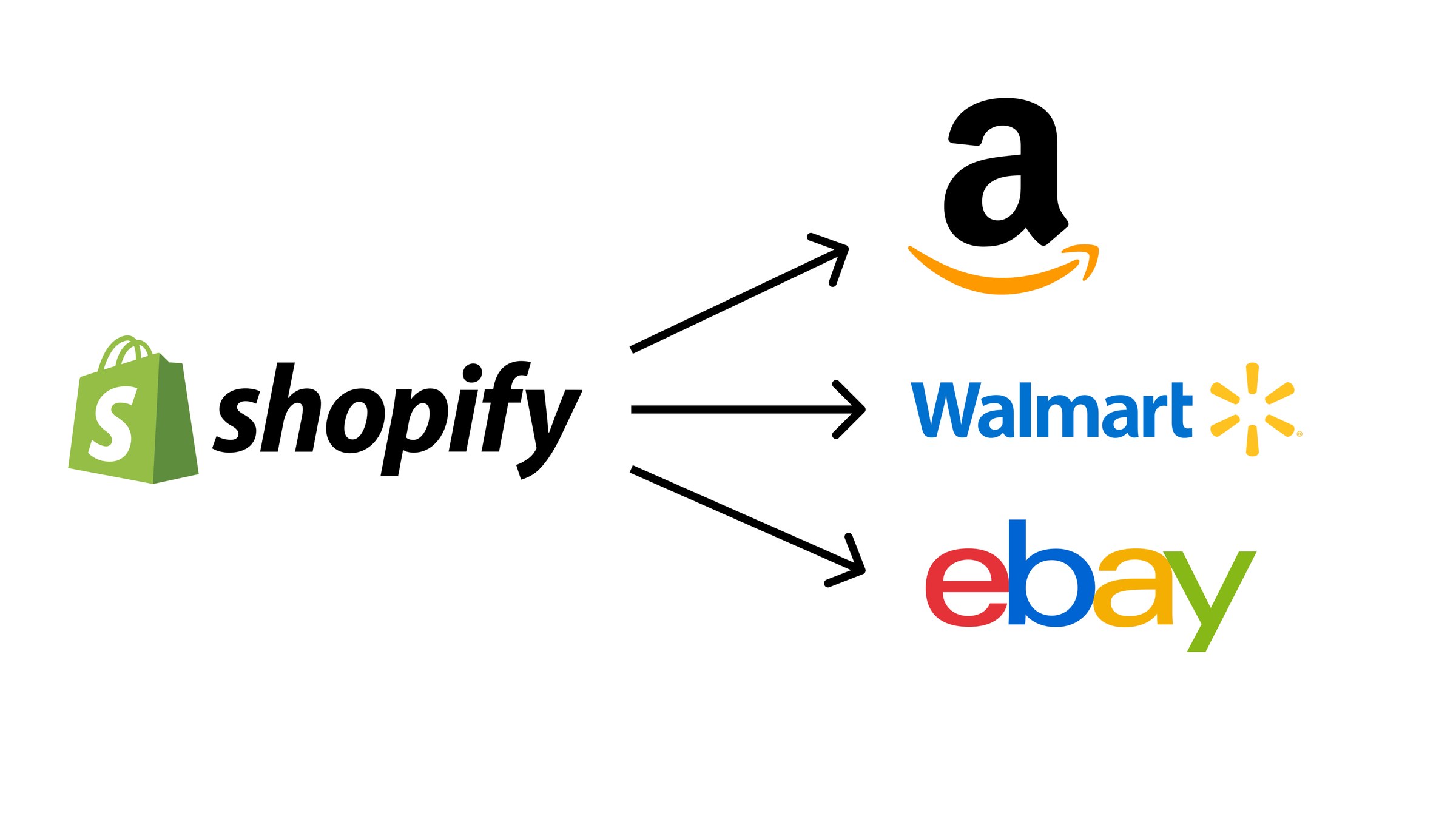
A unified operations model for running three channels with one team and one source of truth.

Winning the Buy Box while protecting margins. The pricing strategy most sellers get backwards.

Stop overstocking, stop stockouts. The demand planning framework for multi-channel sellers.

Where your margin actually goes. A line-by-line breakdown of Amazon, Walmart, and Shopify fees.

Unit economics, control vs reach, and the framework for deciding your channel allocation.

How mid-market companies set up analytics that answer business questions, not just count pageviews.
Most GA4 setups track everything and answer nothing. Here’s the setup that connects to revenue.

Five metrics, one page, updated weekly. The executive dashboard that drives decisions.
Multi-touch attribution is a fiction. The practical measurement framework for mid-market.

Client-side analytics miss a third of your conversions. Server-side tracking fixes the blind spot.

The ICP-to-pipeline system for B2B product companies. Targeting, tools, infrastructure, copy, and measurement.

After the deliverability crackdown, volume is dead. The signal-first approach that still books meetings.
The three tools that replaced the enterprise outbound suite. How they connect and what each does.
The foundation nobody talks about. Get this wrong and nothing else in your outbound stack matters.

Not just opens — replies. The copywriting patterns that work in B2B cold outreach.

Turn a company name into a complete contact card with verified email, phone, and company intelligence.
Most companies know their revenue. Few know their actual margin by product, channel, and customer.
Nine layers between gross revenue and net profit. See exactly where the margin leaks are.

The single number that tells you whether your growth engine is building value or burning cash.
Revenue doesn’t equal profit. The per-SKU analysis that reveals which products actually make money.

The true cost of returns is 2–3x the refund amount. Here’s where the money actually goes.

The 7-line P&L format that takes 15 minutes to review and catches margin drift before month-end.

The automation maturity curve for companies between $3M and $50M. What to automate first, what to leave manual.
Not everything should be automated. The scoring framework that finds the highest-ROI workflows.
The difference between a drip sequence and a nurture sequence that actually moves deals forward.
An honest comparison: pricing, complexity, and the hybrid approach most mid-market companies should use.

Lead enrichment, anomaly detection, and support routing are real. Most other claims are vaporware.

The layered approach to building a tool stack that scales. Data, execution, integration, and intelligence.
The average mid-market company has 110+ SaaS tools. Most don’t talk to each other.
Data breaks silently between tools. The integration layer is the most important thing nobody is responsible for.
The third option most teams miss: configure. A framework for every tooling decision.
Tool-by-tool comparison showing when the lean stack wins — and when it doesn’t.
Your next tool choice should start with how it connects, not what it does standalone.
The frameworks and stage gates for growing from $3M to $50M without losing speed or judgment.
What changes at each revenue stage — and the operational rewiring required to break through.

The signals, the job description, and the 90-day success criteria for your first operations hire.

Most SOPs are written once and never opened again. The living-document approach that sticks.
A framework for deciding what to automate, what to outsource, and what stays with your team.

The content engine that builds pipeline without a sales army. LinkedIn, blog, SEO, and repurposing in one system.
Stop posting motivation quotes. The LinkedIn strategy that actually generates pipeline.
Problem, approach, measurable outcome. Not a testimonial — proof that closes deals.
Week-by-week plan for building a content engine that generates inbound pipeline in 90 days.
Rank for the problems your buyers Google, not the products you sell. The problem-first SEO playbook.
One blog post becomes a LinkedIn carousel, an email, a video script, and two social posts. Here’s the system.
Get operational insights delivered.
Frameworks and field lessons for growth teams. No spam, no fluff.